Dilemma: Philippine National Projects Delayed and Substandard
A Technology-Driven Roadmap
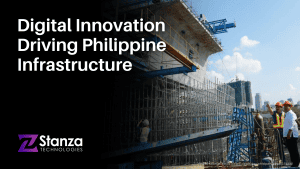
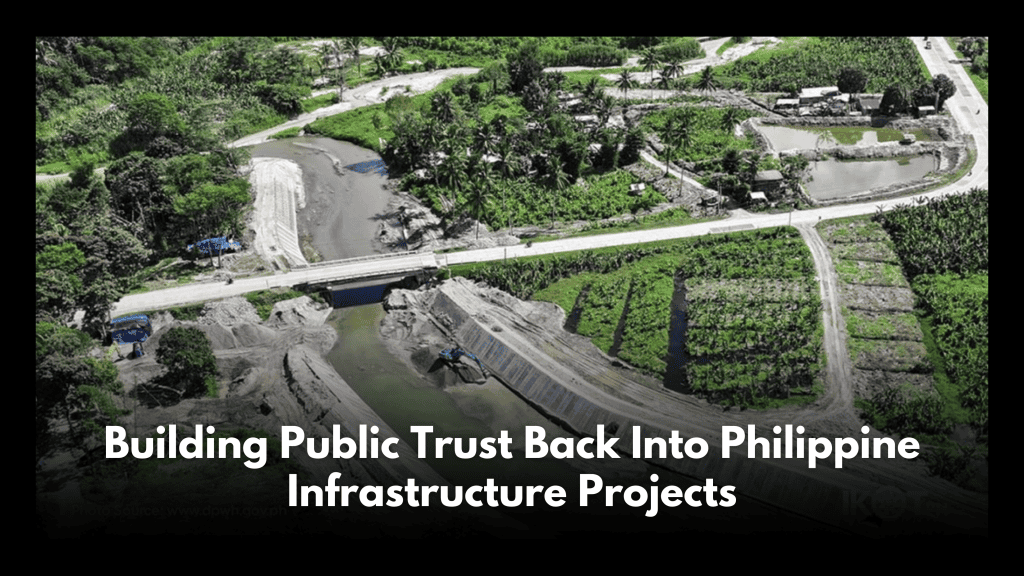
Delays and poor construction remain major challenges for Philippine national infrastructure projects. Many Department of Public Works and Highways (DPWH) initiatives, such as roads, bridges, flood control systems, and public buildings, have faced public criticism for missed deadlines, poor quality, and, in some cases, unusable completed projects.
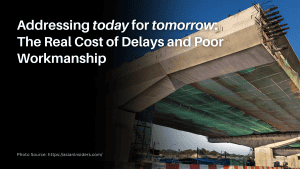
The Commission on Audit (COA) often reports billions of pesos in losses from delayed, stalled, or poorly built projects. Frequent challenges involve unfinished work, poor craftsmanship, inconsistent designs, and weak project monitoring. These problems waste public funds, slow down key services, disrupt communities, and damage public confidence in infrastructure projects.
Key Issues Observed in National Projects
- Project delays caused by poor planning, right-of-way problems, and a lack of coordination
- Substandard construction, including structural defects, missing components, and premature deterioration
- Limited transparency alongside monitoring makes it difficult to detect defects early
- Fragmented workflows, where design, construction, and operations are treated as separate silos
These recurring problems indicate systemic issues in project planning, coordination, and management from the outset, not just in execution.
The Solution: A Systematic, Technology-Driven Approach
To deal with these issues, the construction industry should move away from outdated, reactive method sand adopt a more organized, data-driven approach. This way, problems can be identified and fixed early, rather than waiting until delays or quality issues appear.
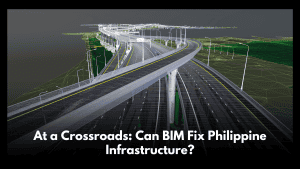
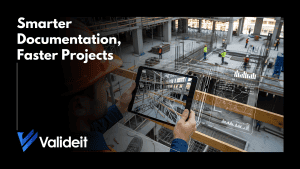
Integrated Digital Delivery (IDD) and Building Information Modeling (BIM) enable this transformation. By consolidating project data in a centralized digital environment, BIM and IDD promote accountability, traceability, and transparency at every stage. All stakeholders can access designs, quantities, schedules, and changes, reducing information gaps, misunderstandings, and undetected flaws.
When workflows are clear and based on digital models, it’s easier to make good decisions, coordinate teams, and track progress. These practices help projects finish on time and improve construction quality.
How BIM and IDD Resolve These Problems
- End-to-End Project Visibility
- BIM provides accurate digital representations of projects, facilitating stakeholders to identify design conflicts and constructability issues before construction starts. Improved Coordination and Accountability
- IDD integrates people, processes, and technology, ensuring designers, engineers, contractors, and owners work from a single source of truth. Enhanced Quality Control
- Digital simulations and model-based reviews help enforce standards and reduce poor workmanship. Better Time and Expenditure Management
Data-driven planning improves scheduling accuracy and minimizes delays and high-cost corrections.

Moving Forward
A shift to proactive, transparent, and integrated project delivery is crucial to resolve delays and poor outcomes in national infrastructure projects. Stakeholders should improve planning, coordination, and monitoring from the beginning, rather than responding to issues after they arise.
Digital tools like Building Information Modeling (BIM) and Integrated Digital Delivery (IDD) make projects more transparent by consolidating all data into a single unified digital space. This helps teams spot problems early and keep track of designs, quantities, schedules, and progress in real time.
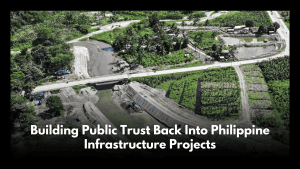
Using open, data-driven workflows additionally creates accountability. Reviewing digital models and keeping clear records of decisions helps teams measure performance fairly, prevent misconduct, and make everyone’s roles clear. Technology can’t solve all governance problems on its own, but using it well improves oversight, teamwork, and quality control. To truly improve national projects, it’s important to offer not only on time, but also with transparency and quality that benefit communities for years to come.