National infrastructure projects are intended to drive progress. However, in the Philippines, delays, poor workmanship, and limited transparency have made these initiatives a persistent challenge.
Despite significant annual investments, many roads, bridges, schools, and flood control systems are completed late, over budget, or below standard. These issues impact communities, businesses, and public trust, perpetuating inefficiency and hindering national development.
The Core Challenges
Several systemic issues contribute to this ongoing dilemma:
- Chronic delays: Inadequate planning, permitting bottlenecks, right-of-way disputes, and poor inter-agency coordination can stall projects for months or years.
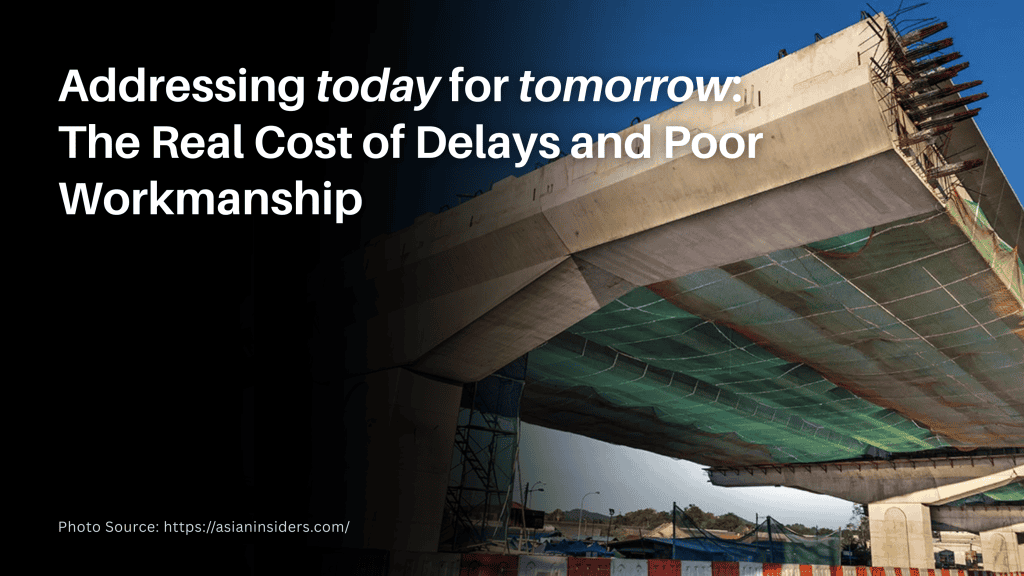
- Substandard workmanship: COA audits and media reports frequently reveal incomplete, defective, or deteriorating infrastructure, resulting in wasted public funds and unsafe conditions.
- Fragmented workflows: Design, engineering, construction, and operations often function in isolation, leading to communication gaps and weak project oversight.
- Limited transparency and accountability: Decentralized decisions, revisions, and progress reports make it difficult to hold stakeholders accountable and to identify bottlenecks early.
The Ripple Effects
The consequences reach far beyond construction sites:
- Communities face delayed access to essential services, including schools, healthcare, and safe transportation.
- Businesses incur higher logistics and operational costs because of incomplete or inefficient transport networks.
- Public trust in government initiatives declines, reducing confidence in future projects.
- Economic growth slows as infrastructure bottlenecks restrict mobility, trade, and investment.

Why It Matters
This dilemma raises a crucial question: How can the Philippines ensure infrastructure projects are delivered efficiently, cost-effectively, and to the highest standards?
Understanding the scope and consequences of these challenges is the first step. By recognizing systemic weaknesses, stakeholders can begin to explore solutions that improve efficiency, enforce accountability, and increase transparency, laying the groundwork for meaningful reform and stronger national development.