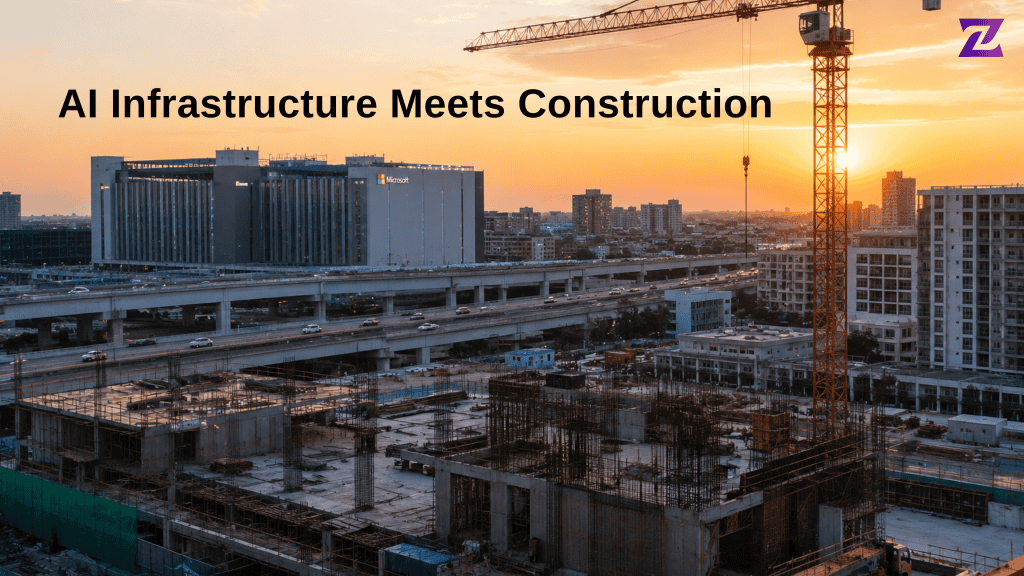
Microsoft’s $10 billion investment in Japan (2026–2029) is more than just a tech expansion; it’s a major signal of where the global construction industry is heading: fully digital, AI-driven infrastructure ecosystems.
The focus includes cloud computing, cybersecurity, and workforce development, but the ripple effect on construction is enormous. Data centers, smart systems, and AI-ready environments are all dependent on modern infrastructure today, which requires large-scale construction and engineering support.
Why This Investment Matters for Construction
The construction industry has long struggled with:
- Project delays
- Cost overruns
- Labor shortages
- Fragmented coordination

AI and cloud infrastructure directly target these issues by enabling real-time decision-making, predictive planning, and automated monitoring.
With Microsoft expanding AI infrastructure in Japan, it strengthens the backbone needed for:
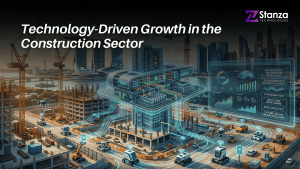
- Digital twins of buildings and cities
- Cloud-based construction management platforms
- Large-scale BIM collaboration systems
- AI-powered scheduling and logistics tools
In short: better digital infrastructure = better construction outcomes.
How AI Is Already Changing Construction
AI is already being used in practical ways across construction sites:
- Detecting design clashes in BIM models before construction starts
- Using drones and cameras to track site progress in real time
- Predicting delays based on weather, labor, and supply data
- Improving safety through automated hazard detection
- Optimizing materials and reducing waste
These systems turn construction from a reactive process into a predictive and controlled system.
What These Changes Mean Going Forward
With stronger AI infrastructure, like what Microsoft is building in Japan, the next phase of construction will likely include:
- Fully integrated AI-managed project planning systems
- Buildings designed as live digital twins from day one
- Automated inspection and quality control using computer vision
- Smarter cities where infrastructure self-monitors and predicts maintenance needs
Construction sites will shift from manual coordination to more data orchestration and system integration.
This investment represents a global shift: construction is not just about building structures, but about building intelligent infrastructure systems powered by AI.
Japan is positioning itself as a leader in this transformation, but the impact will be felt globally as other countries deploy similar AI-powered construction ecosystems.
The result is a future where construction becomes:
- Faster
- More precise
- More automated
- And deeply connected to real-time data
Microsoft’s move is essentially accelerating that timeline.