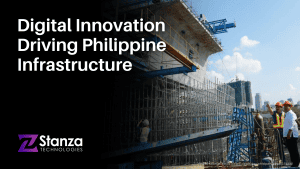
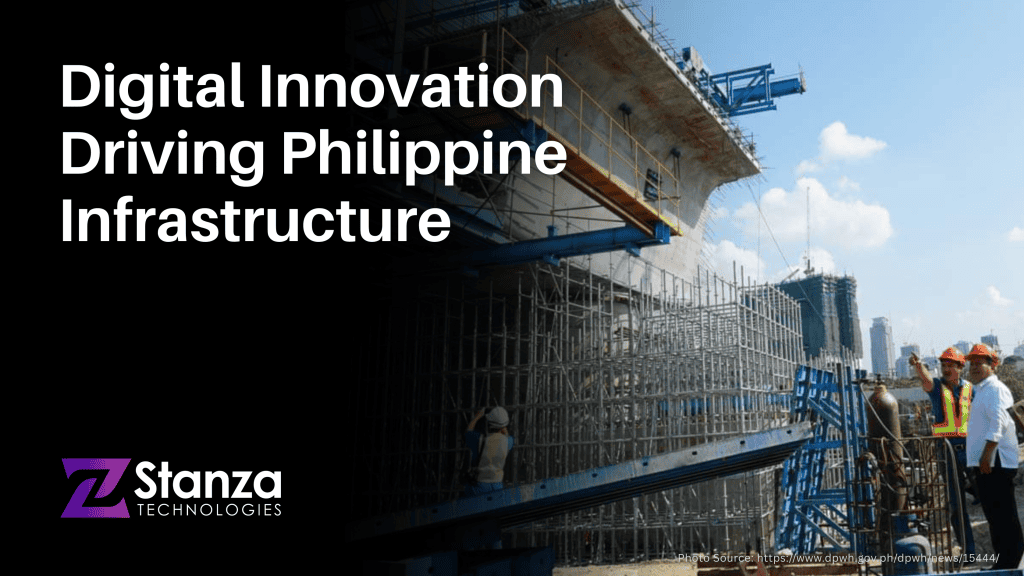
In 2026, the Philippines will accelerate infrastructure development, with the Department of Public Works and Highways (DPWH) prioritizing resilient, high-impact projects under a ₱529.6 billion budget. Despite a reduced allocation, the attention remains on completing ongoing projects, advancing major initiatives, and delivering affordable, climate-resilient infrastructure. Savings from updated material pricing, projected at up to ₱60 billion, and transparency tools such as Project Digital Information for Monitoring and Evaluation (DIME), led by the Department of Budget and Management (DBM), will strengthen accountability and real-time oversight of major public infrastructure projects.

Key 2026 DPWH Projects (Upcoming & Finishing)
Major Advancements / Start:
Bataan-Cavite Interlink Bridge (₱219.31 billion): This major marine project began full construction after bidding concluded in February 2026. The 32-kilometer bridge will ease congestion in Metro Manila, boost economic ties between CALABARZON and Central Luzon, and lower travel times to about 45 minutes.
Mindanao Transport Connectivity Improvement Project (MTCIP) (₱37 billion, World Bank co-funded): Since early 2026, planning has been underway for 550 kilometers of road improvements across Northern and Central Mindanao. The project will improve safety, reduce freight costs, and support agriculture for over 1.1 million people.
Dalton Pass East Alignment Road (₱67.4 billion): Detailed engineering for a twin tunnel route, designed to avoid landslide-prone areas and guarantee year-round connectivity between North and Central Luzon, was completed in Q1 2026.
Guadalupe Bridge Detour (₱10.34 billion, JICA-funded): Starting in early 2026, a temporary bridge will support traffic flow for about 365,000 vehicles daily during EDSA’s seismic retrofitting.
Notable Completions / Progress:
EDSA Rehabilitation: Phases 1 and 2 will be completed by August 2026, using durable stone mastic asphalt to improve traffic movement and extend road lifespan.
Davao City Bypass Road (Package II-1): Completed in Q1 2026, this project includes the country’s first long mountain tunnel, allowing faster freight movement and improved regional access.
Oplan Kontra Baha: By June 2026, 142.4 kilometers of rivers and 333 kilometers of NCR drainage will be desilted, reducing flood risks through integrated clearing and nature-based solutions.
Why Infrastructure Boosts Filipino Lives & Future
Reliable roads, bridges, and flood defenses cut travel times, lower the cost of goods—especially for farmers—connect remote areas to critical services, and protect communities from natural disasters. These improvements support inclusive, sustainable growth by creating jobs, attracting investment, reducing poverty, and strengthening climate resilience.
Current Technologies (Still Underutilized)
DPWH employs drones for surveys, modular and prefabricated elements, basic BIM on major projects, satellite and geotagging via Project DIME, and advanced materials such as high-performance asphalt. However, adoption is mostly limited to flagship or foreign-assisted projects due to gaps in training, policy, and scaling, leaving significant untapped potential.
Technologies to Adopt for Better Results
To accelerate delivery, reduce costs and delays by over 20 percent, and improve sustainability, the following technologies ought to be prioritized:
Building Information Modeling (BIM) – Full lifecycle 3D/4D modeling for clash detection, accurate costing, and coordination (e.g., on bridges like Bataan-Cavite).
Virtual Design & Construction (VDC) – Simulations to optimize planning, safety, and workflows.
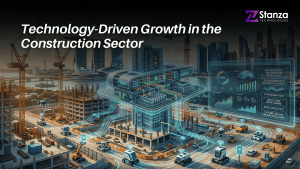
Digital Twins – Real-time virtual replicas for monitoring/maintenance (ideal for flood systems and ongoing asset management).
Integrated Digital Delivery (IDD) – Data-driven, collaborative processes from design to operations aimed at greater transparency and efficiency.
These technologies align with global best practices and can help modernize infrastructure projects in the Philippines.
Stanza Technologies: Your Partner for Smarter Infrastructure
At Stanza Technologies, we offer comprehensive Digital Engineering and BIM services (2D to 6D, all levels of detail). Our systematic approach enhances transparency through data platforms, optimizes designs for effectiveness, improves efficiency using AI-driven workflows, and supports sustainability through green modeling. We can support the government’s initiatives through integrating BIM, digital twins, VDC, and IDD, consequently reducing risks, accelerating project timelines, empowering local teams, and delivering resilient, value-driven infrastructure for a stronger Philippines.